You have a beautiful fragrance. You have a name, a brand concept, maybe even a logo. Then you start pricing out packaging and reality hits. Bottles cost more than expected. Boxes have minimum orders. Labels need to be designed, printed, and applied. Suddenly, the launch budget you imagined is not nearly enough.
This guide exists to prevent that moment. It breaks down exactly what indie fragrance founders spend on packaging, why MOQs (minimum order quantities) matter so much at startup stage, where to save, and where cutting corners will cost you more in the long run.
Whether you are preparing for your first product launch or scaling a small collection, this is the cost picture you need before you place a single order.
Table of Contents
- Quick Answer: What Does Perfume Packaging Actually Cost?
- Perfume Bottles: Stock vs. Custom and What It Costs
- Pumps, Collars, and Closures
- Outer Packaging: Boxes, Pouches, and Inserts
- Labels: The Most Overlooked Budget Item
- The MOQ Math Every Founder Needs to Do
- Where to Save and Where Not To
- 5 Packaging Budget Mistakes That Hurt New Fragrance Brands
- First Launch Packaging Checklist
- Frequently Asked Questions
- Conclusion
Quick Answer: What Does Perfume Packaging Actually Cost?
For a first launch using stock packaging, most indie fragrance brands spend between $3 and $15 per finished unit on packaging alone, depending on bottle size, box style, and label quality. At a run of 200 units, that is $600 to $3,000 in packaging before a drop of fragrance is added. Custom packaging with bespoke molds can push per-unit costs to $25 or more, with mold fees often exceeding $5,000 upfront.
The good news is that smart stock packaging choices can result in a polished, premium product at a fraction of that cost - without sacrificing the look or feel your brand needs.
Perfume Bottles: Stock vs. Custom and What It Costs
Stock Bottles
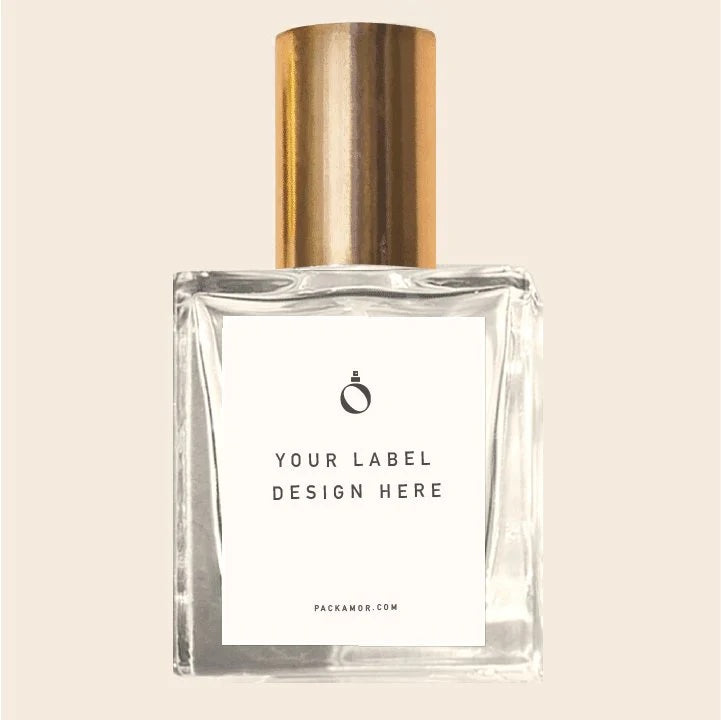
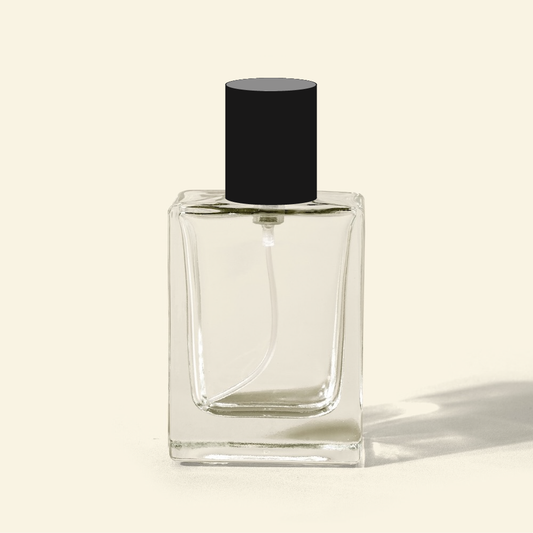
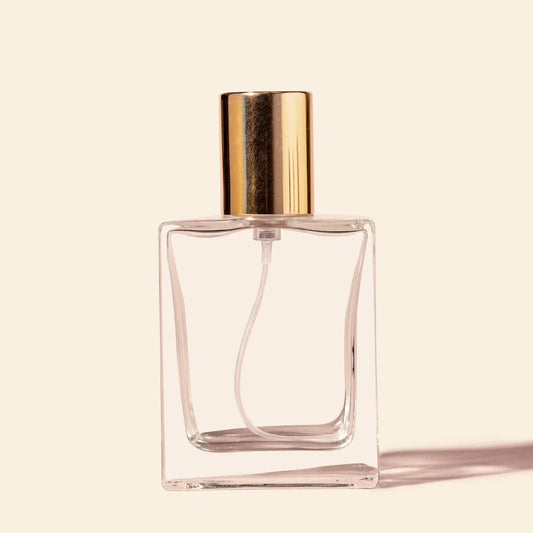
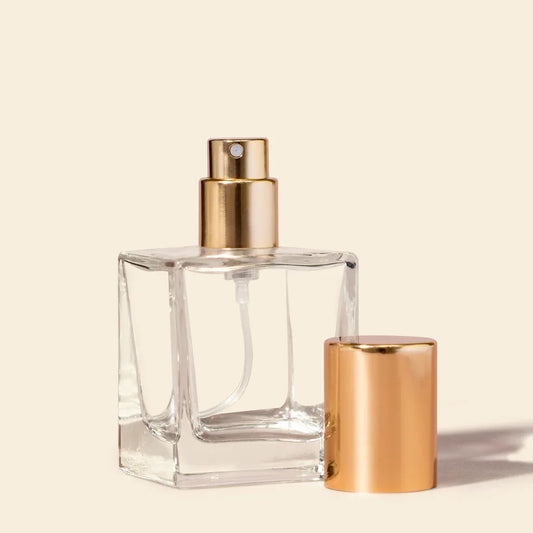
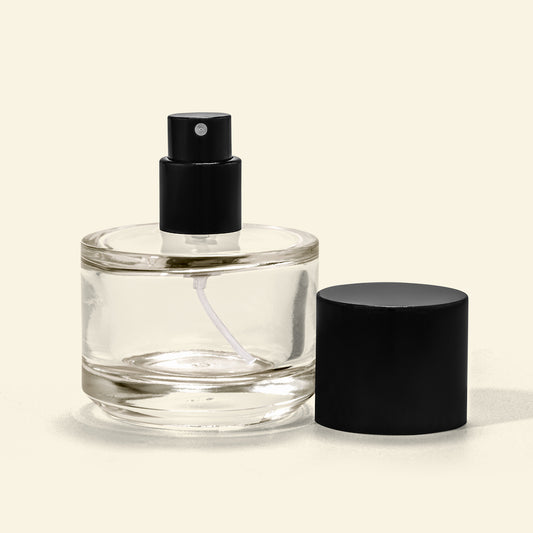
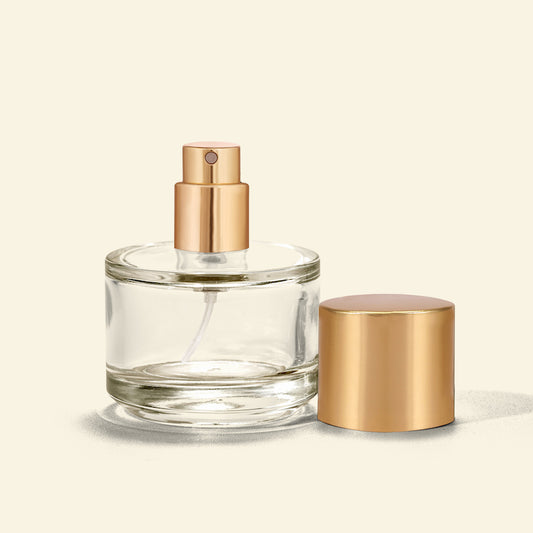
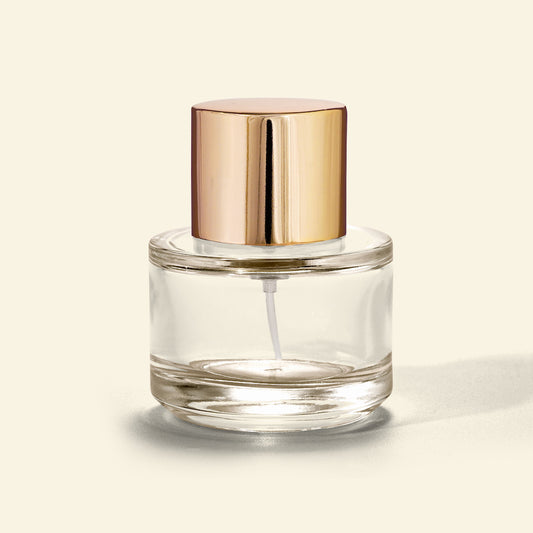
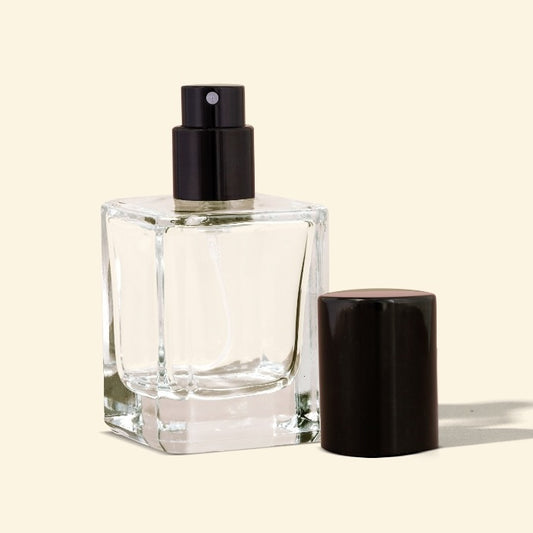
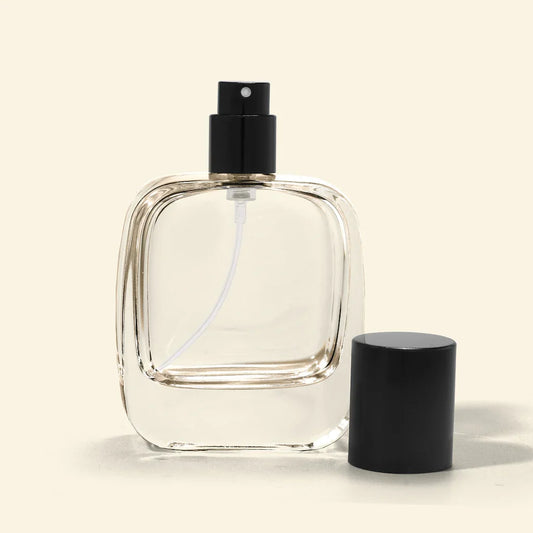
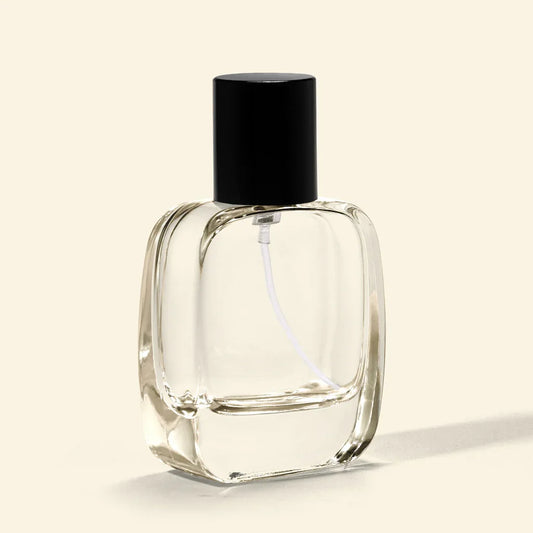
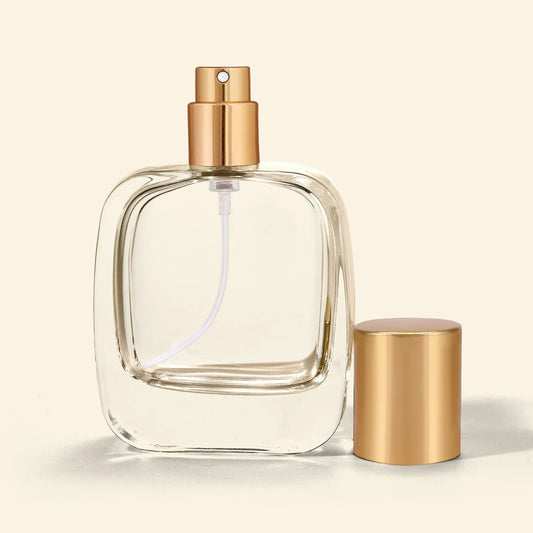
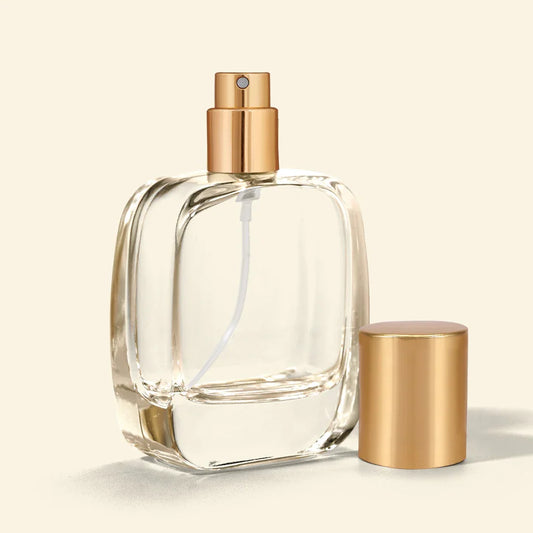
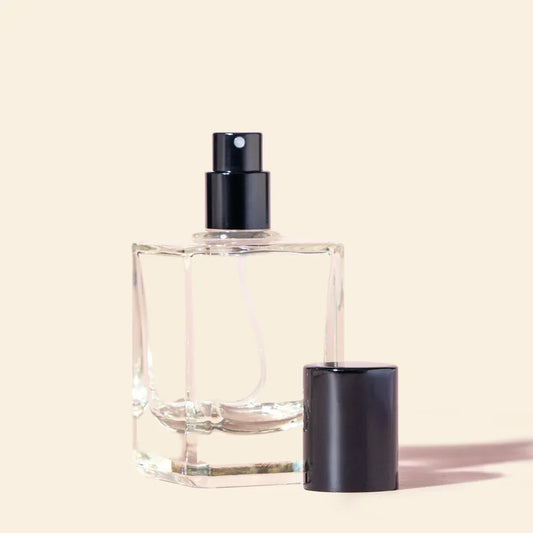
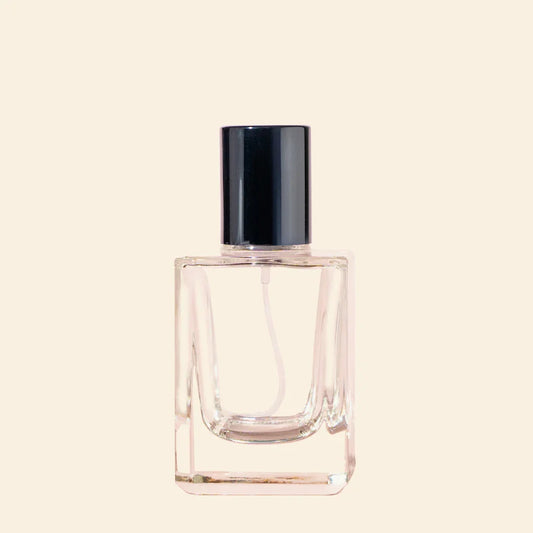
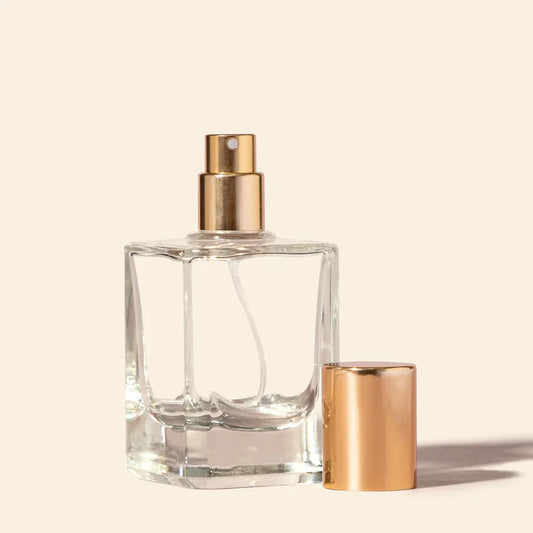
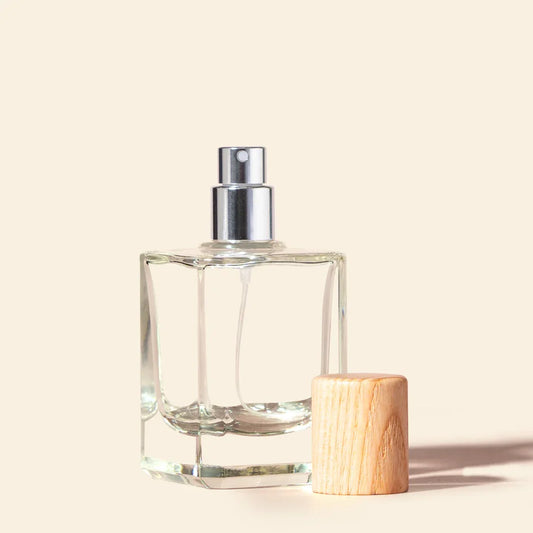
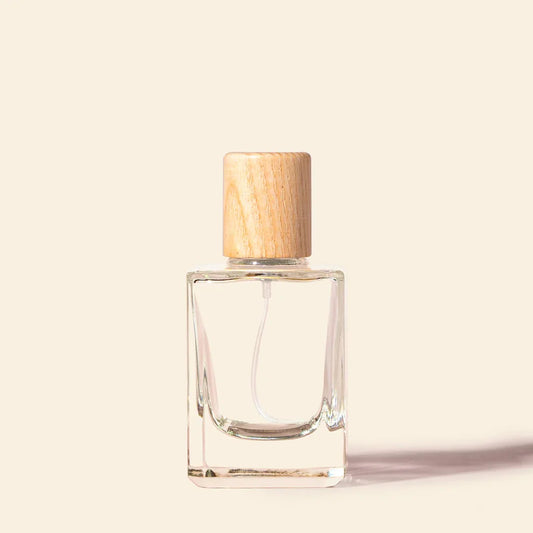
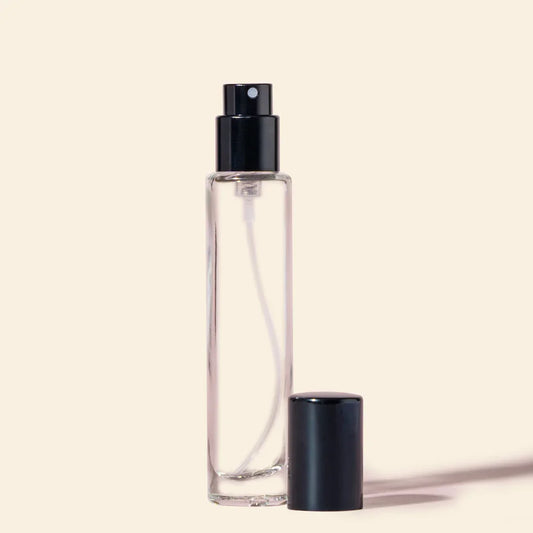
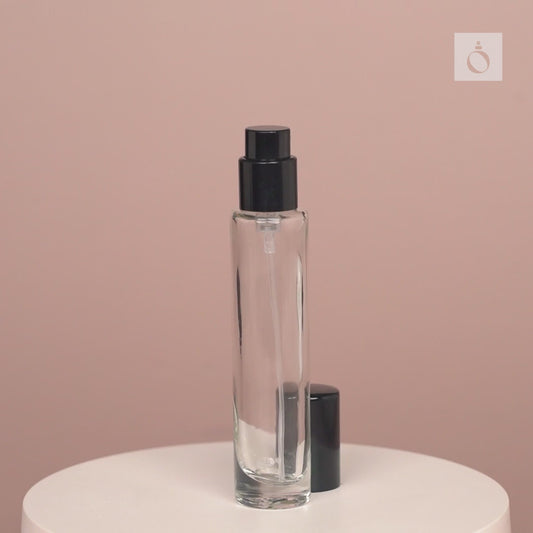
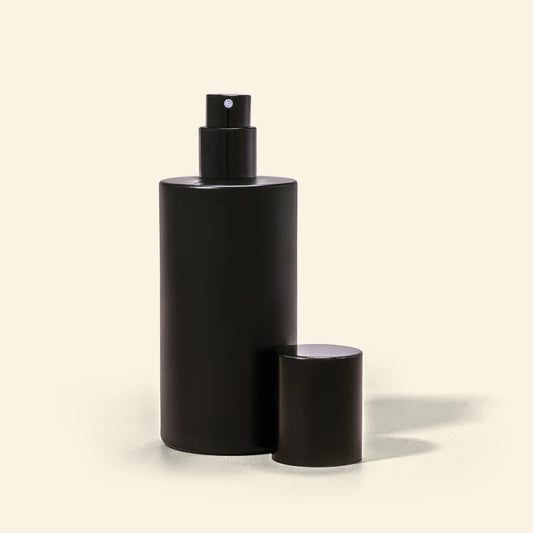
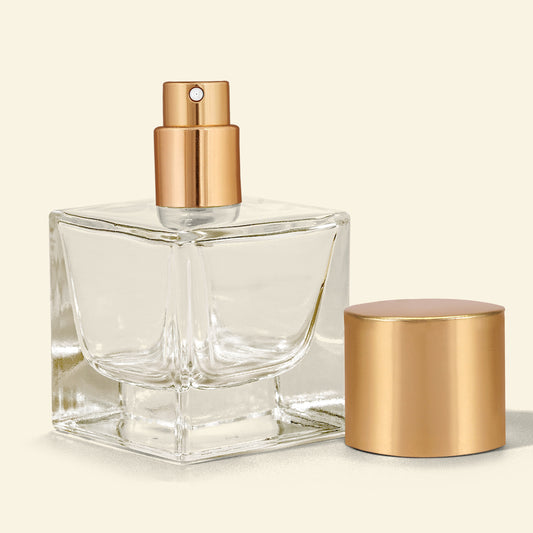
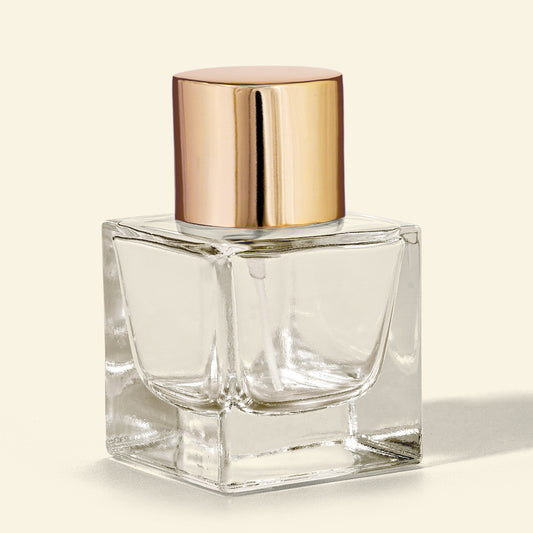
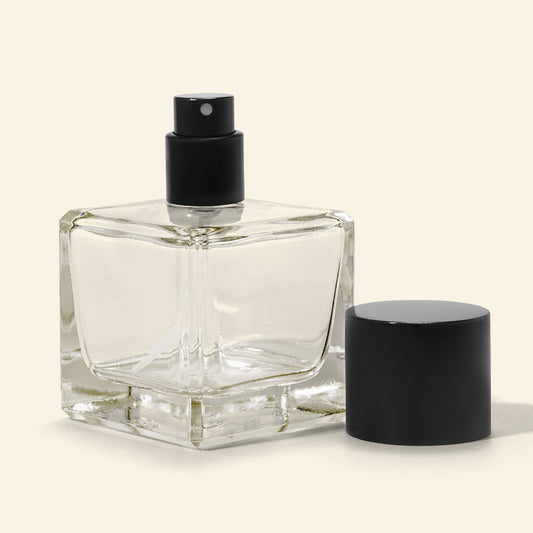
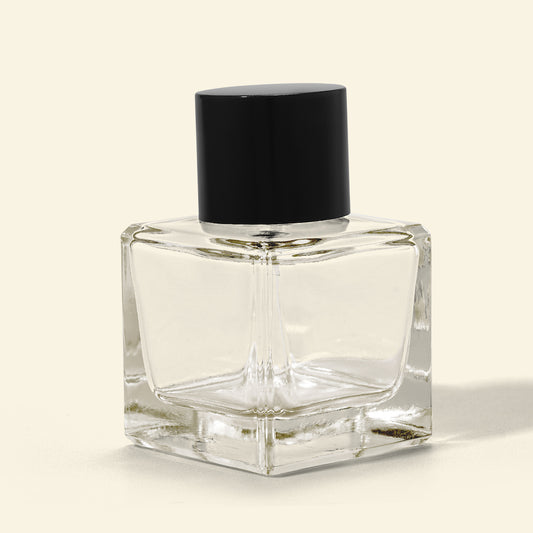
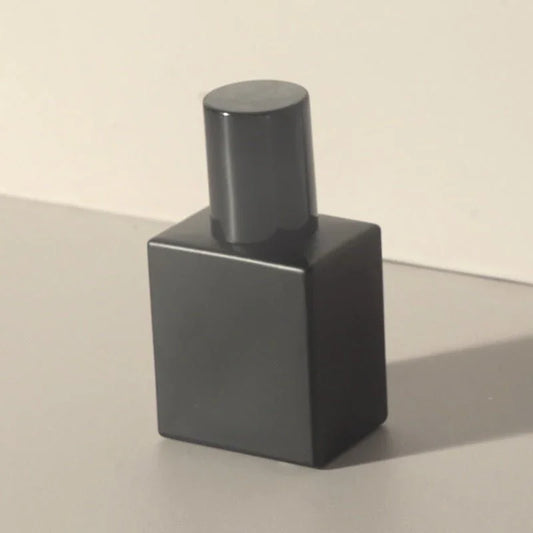
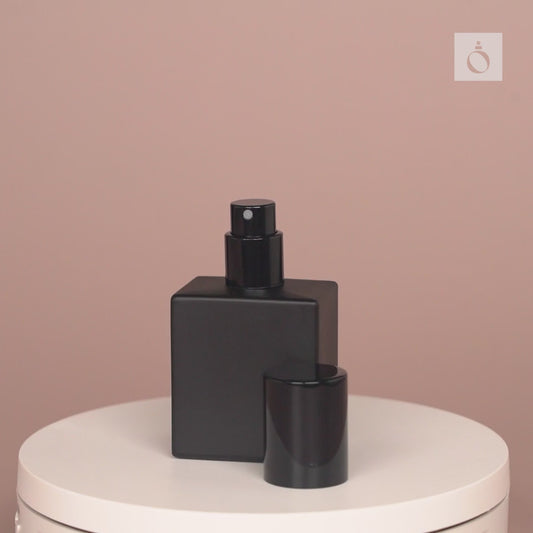
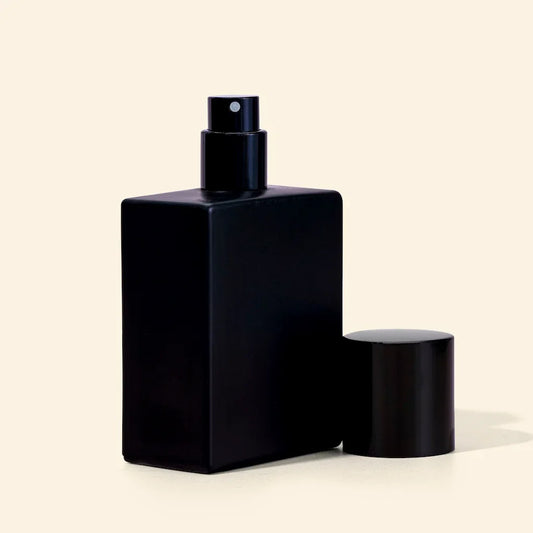
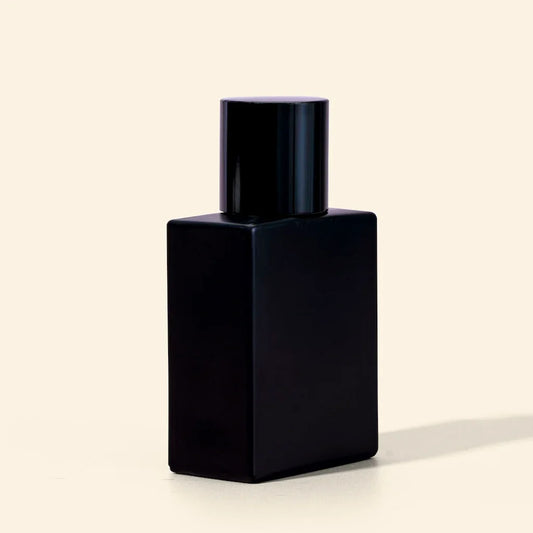
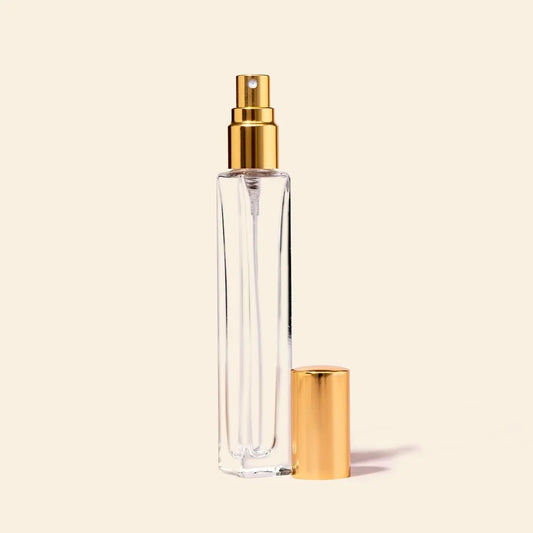
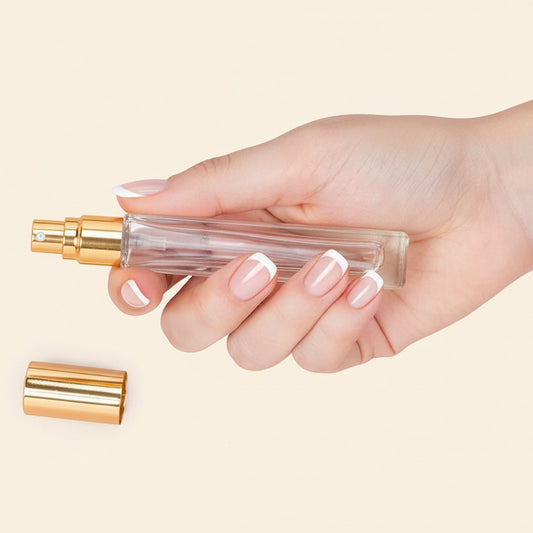
Stock bottles are pre-made glass or plastic bottles produced at scale by manufacturers and sold to multiple brands. Because the mold costs are already absorbed, you pay only for the bottle itself.
Stock bottles typically range from $0.80 to $4.00 per unit depending on:
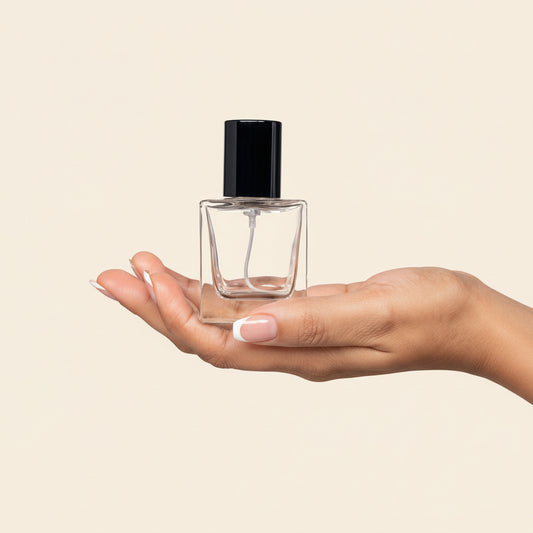
- Size (10ml, 30ml, 50ml, 100ml)
- Glass weight and quality
- Neck finish type (FEA15 or FEA18, which determines which pump fits)
- Tinting or frosting
MOQs for stock bottles from reputable suppliers generally start at 48 to 500 units, making them highly accessible for first launches. You can explore a wide range of stock options at Packamor's perfume bottle collection.
Custom Bottles
A truly custom bottle - one molded to your unique shape - requires a one-time tooling fee that typically runs between $3,000 and $10,000 before a single bottle is made. Custom mold MOQs are usually 5,000 to 20,000 units.
This is rarely the right choice for a first launch. Most founders who invest in custom molds early end up with excess inventory, cash flow problems, and a shape they later want to change once the brand evolves.
Recommendation: Start with stock bottles. Differentiate through your label, cap, and box design. Move to custom shapes only once your brand has proven demand and revenue to support the investment.
Bottle Material Considerations
Most fine fragrance bottles are glass. Glass is chemically inert, meaning it will not react with your fragrance formula, and it conveys quality. If your formula contains natural extracts that degrade in UV light, look for tinted or UV-coated glass. Standard clear glass will accelerate oxidation of sensitive ingredients.
Aluminium bottles are a growing option for travel formats and sustainable positioning. Plastic bottles are generally reserved for body sprays and lower price-point products and are not recommended for alcohol-based fine fragrances.
Pumps, Collars, and Closures
The pump and collar are items many new founders forget to budget for separately. They are not usually included in the bottle price.
Spray Pumps
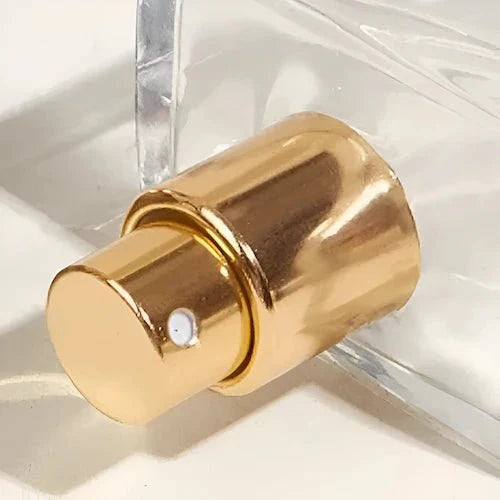
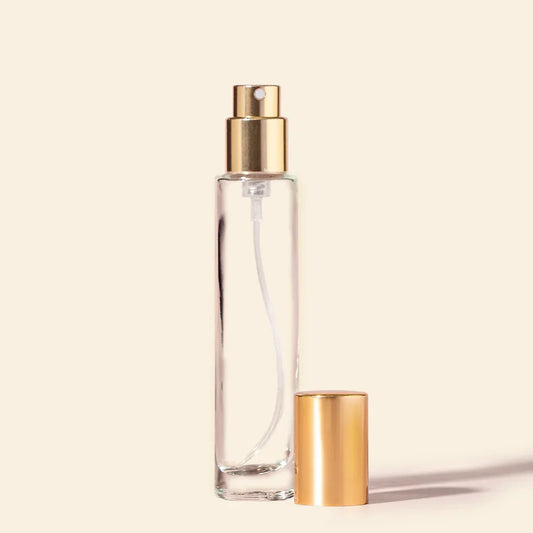
A standard fine mist spray pump costs between $0.30 and $1.50 per unit. The key spec to verify is the neck diameter: FEA15 (15mm) and FEA18 (18mm) are the two most common standards, and they are not interchangeable. If you order FEA18 pumps for FEA15 bottles, nothing will fit.
Actuator style (the button you press) and actuator color also affect price. Chrome or gold-plated actuators add cost but elevate the perceived quality of the finished product.
Crimping Collars
If your bottle uses a crimped pump (rather than a screw-fit), you will need aluminum collars. These run approximately $0.05 to $0.20 per unit in small quantities. You will also need a crimping tool, which is a one-time purchase ranging from $50 for a handheld lever tool to several hundred dollars for a tabletop model.
Overcaps
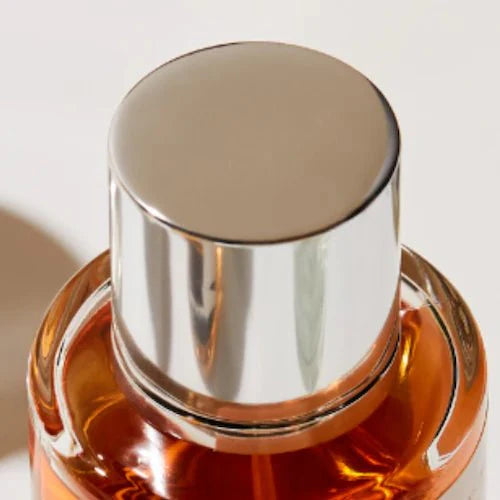
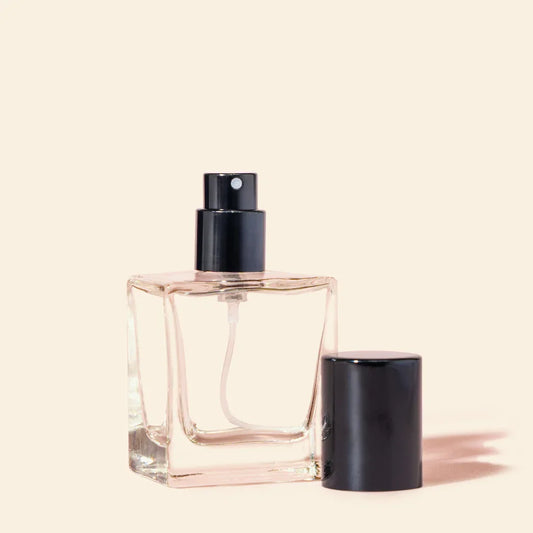
Decorative caps that cover the pump are called overcaps. These are often sold separately and can cost $0.50 to $3.00 per unit depending on material and finish. Magnetic overcaps and heavy metal caps sit at the premium end and can dramatically elevate the unboxing experience.
Outer Packaging: Boxes, Pouches, and Inserts
A bottle in a bag is not a luxury product. Outer packaging - the box your customer opens - is the first physical expression of your brand. Skipping it or treating it as optional is one of the most common branding mistakes indie perfumers make.
Rigid Boxes
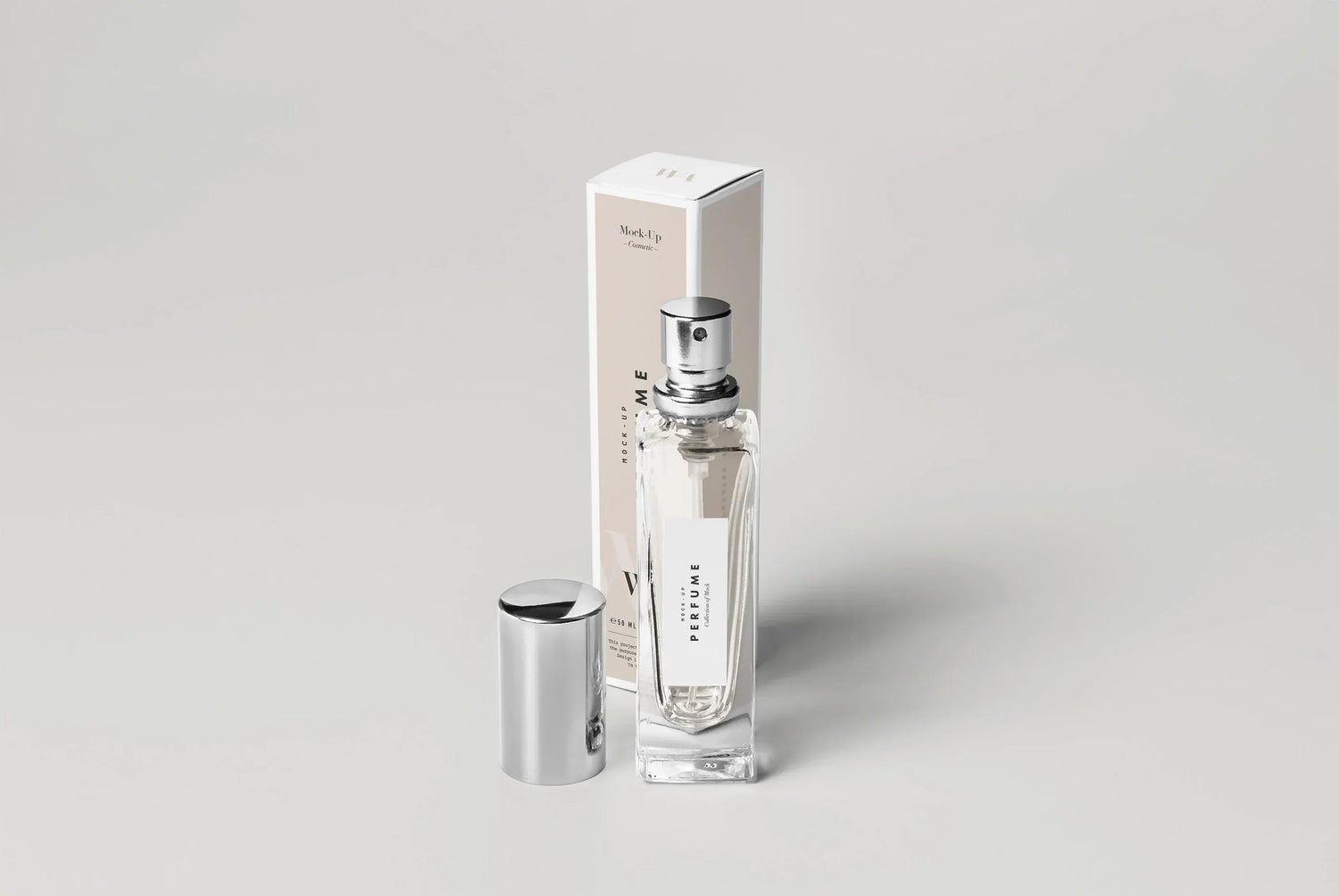
Rigid setup boxes (also called lift-lid or magnet-closure boxes) are the standard for mid-to-premium fragrance. They cost between $2.00 and $8.00 per unit depending on size, material, and printing. MOQs typically start at 100 to 300 units for custom printing.
Folding Cartons
Folding carton boxes (the style you assemble flat) are more affordable, generally costing $0.80 to $3.00 per unit at 250-500 unit MOQs. They can look excellent with strong design and good-quality printing. Browse ready-to-customise options at Packamor's perfume boxes collection.
Inserts and Tissue
Interior inserts (foam cutouts, cardboard inserts, or EVA trays) hold the bottle in place during shipping and improve the unboxing experience. Budget an additional $0.30 to $1.50 per unit for inserts, depending on material. Tissue paper and ribbon add minimal cost but meaningful effect.
Labels: The Most Overlooked Budget Item
Labels are where many indie brands lose money without realising it. A well-designed, well-printed label makes a stock bottle look like a custom one. A cheap or poorly applied label undermines even the most beautiful bottle.
Label Printing Options
Digital printing is ideal for small runs (50-500 units). Cost is approximately $0.40 to $2.00 per label depending on size, material (paper vs. BOPP film vs. metallic), and finish (matte, gloss, soft-touch).
Flexographic printing becomes cost-effective at 1,000+ units and drops per-unit cost significantly. It produces more consistent, durable results for ongoing production.
Label Materials That Matter
For fragrance bottles, always use a face stock material rated for contact with alcohol-based products. Standard paper labels will bubble, peel, or discolour when they contact fragrance during application or from condensation. BOPP (biaxially oriented polypropylene) and polyester labels are more resistant and maintain their appearance longer. You can find labels designed for perfume bottles at Packamor's custom label options.
Compliance and What Must Appear on the Label
In the United States, the FDA requires that perfume labels sold to consumers include the product name, net contents (in both fl oz and mL), the name and address of the manufacturer or distributor, and any required warning statements. INCI ingredient listing is not legally required for fragrances sold as cosmetics in the US, but it is increasingly expected by consumers and required in the EU and UK markets.
If you plan to sell internationally, EU cosmetics regulations require a full ingredient declaration on the outer packaging or accompanying leaflet. Review the EU Cosmetics Regulation guidance early if international markets are part of your plan.
The MOQ Math Every Founder Needs to Do
Minimum order quantities are the hidden variable that shapes every packaging decision a new fragrance brand makes. Here is the real-world math that matters.
The Cost Per Unit vs. Total Capital Reality
Suppliers often quote attractive per-unit prices at high volumes. A bottle that costs $3.00 at 100 units may cost $1.20 at 1,000 units. This is real, but the lower unit price means committing $1,200 in capital rather than $300. For a new brand with unproven demand, that difference matters more than the unit cost.
Start by asking yourself: how many units can you realistically sell in the next three to six months? That is your true MOQ target, not the number that gives you the best unit economics.
Mixing MOQs Creates Inventory Imbalance
If your bottle supplier requires 500 units but your box supplier requires 250 units, you will have leftover boxes or bottles. Always align your component MOQs when possible, or plan for the imbalance explicitly.
Working with One Supplier When Possible
Sourcing bottles, boxes, and labels from a single packaging supplier simplifies logistics significantly. It reduces the risk of mismatched components, reduces shipping costs, and gives you more leverage to negotiate on quantities. Packamor stocks bottles, boxes, and labels as a combined packaging source designed for exactly this reason.
Where to Save and Where Not To
Where You Can Save
Bottle shape: A simple, clean stock bottle with a premium label and cap can look more refined than a mediocre custom shape. Do not pay for a custom mold when a well-chosen stock bottle achieves the same result.
Box structure: Folding cartons are significantly less expensive than rigid boxes and photograph just as well with strong design. Many mid-market fragrance launches use folding cartons successfully.
Inserts: Simple card inserts cost a fraction of custom foam trays. They can be printed with your brand story or fragrance notes, adding value without adding cost.
Where You Should Not Cut Corners
Label material: Cheap paper labels on fragrance bottles will fail. The cost of reprinting labels, relabelling bottles, and managing customer returns far exceeds the savings on cheaper label stock. Use the right material from the start.
Pump quality: A pump that drips, clogs, or fails to actuate smoothly destroys the user experience. This is the functional heart of a spray fragrance. Do not select the cheapest pump available.
Seal integrity: Whether you are crimping or using screw-fit closures, your bottle must not leak during shipping. A leaking bottle generates returns, negative reviews, and the loss of a customer. Test your complete assembled unit thoroughly before committing to a production run.
5 Packaging Budget Mistakes That Hurt New Fragrance Brands
1. Budgeting for the Bottle But Not the Components
Many founders price the bottle and forget that the pump, collar, overcap, box, insert, and label are all separate budget items. Total packaging cost is the sum of all components, not just the glass. Build a component-by-component cost sheet before finalising any budget.
2. Ordering Custom Packaging Before Validating the Product
A $7,000 mold fee tied to a fragrance that has not yet found its audience is a significant financial risk. Validate demand first. Launch with stock packaging, collect real customer feedback, then invest in custom elements once you have proof that customers want to buy.
3. Ignoring the Cost of Packaging Failures
Budget for a defect rate. In small batch production, 2-5% of finished units may have minor issues: label misalignment, pump malfunction, box damage. If you order exactly the number of units you need with no buffer, any defects will leave you short on sellable inventory.
4. Underestimating Lead Times and Reorder Points
Packaging lead times from suppliers are typically 2 to 8 weeks depending on whether items are in stock or made to order. If you sell out and need to reorder, you may face weeks without product. Plan your reorder point well before your inventory runs out, and factor lead time into your launch timeline from the beginning.
5. Designing Labels Without Production Constraints in Mind
A label designed without knowing the print process, bleed requirements, or material specifications will need costly revisions. Before your designer starts, confirm the exact label dimensions, the print method you are using, and the file format your printer requires. This single step prevents the most common (and expensive) label production delays.
First Launch Packaging Checklist
- Bottle selected (verify neck finish: FEA15 or FEA18)
- Pump ordered (matching neck finish confirmed)
- Crimping collar and crimping tool sourced (if using crimped pump)
- Overcap selected (material, color, and finish confirmed)
- Box style decided (rigid vs. folding carton)
- Box dimensions confirmed to fit assembled bottle with overcap
- Insert or tray designed to hold bottle securely in transit
- Label artwork created with correct dimensions and bleed settings
- Label material selected (BOPP or polyester for fragrance contact)
- Label printing method confirmed (digital for short runs, flexo for larger)
- All US required label information included (product name, net content, distributor info)
- Defect buffer built into order quantities (5% minimum)
- Lead times confirmed and mapped to launch timeline
- Full assembled unit drop-tested and shake-tested before production run
- Total per-unit packaging cost calculated across all components
Frequently Asked Questions
What is a realistic packaging budget for a first fragrance launch?
For a run of 100 to 300 units using stock packaging, most indie brands spend between $1,500 and $4,500 on packaging components (bottles, pumps, boxes, and labels combined). This varies widely based on bottle size, box quality, and label material. Build your own cost sheet component by component to get an accurate number for your specific product.
Can I launch with a very small number of units to test the market?
Yes. Some suppliers offer MOQs as low as 48 to 100 units on stock items. At this scale, per-unit packaging costs are higher, but total capital at risk is low. This is a practical approach for validating a new fragrance before committing to larger production runs.
Do I need custom packaging to look premium?
No. Many successful indie perfume brands use stock bottles and achieve a premium look through label design, cap selection, and high-quality outer packaging. Custom packaging becomes relevant once you have a clear brand identity, proven sales volume, and the budget to justify the tooling investment.
What does FEA15 and FEA18 mean on perfume bottles?
These are neck finish standards that describe the diameter of the bottle opening. FEA15 is 15mm and FEA18 is 18mm. Your pump, collar, and overcap must all match the neck finish of your bottle. Mixing specs means nothing will fit together.
How do I know if my label material is suitable for a fragrance bottle?
Ask your label printer whether the face stock is rated for alcohol contact or high-moisture environments. BOPP film and polyester face stocks are generally appropriate for fragrance bottles. Standard paper stock is generally not and will degrade on contact with fragrance liquid.
Should I source all my packaging from one supplier?
Where possible, yes. Using a single packaging supplier for bottles, boxes, and labels reduces logistics complexity, minimises the risk of component mismatches, and often provides better pricing as your order volume grows. It also gives you a single point of contact for lead time and quality questions.
Getting Your Packaging Right Before You Launch
Packaging is not just a container. It is the first physical experience your customer has with your fragrance brand, and it directly influences perceived value, repeat purchase, and word-of-mouth. Getting it right from the start does not require a massive budget - it requires making informed decisions about where to invest, where to save, and what order to tackle things in.
The fragrance brands that launch successfully on limited budgets are the ones that start with stock packaging, choose their components carefully, test everything before committing to production, and avoid the common traps: custom molds too early, wrong label materials, and underestimated MOQs.
If you are at the planning stage of your fragrance launch, explore Packamor's perfume bottle range, browse packaging options, and see label solutions designed specifically for indie fragrance brands. Everything is sourced to work together, with low MOQs suitable for first launches.